©

DCIM100MEDIADJI_0965.JPG

Manel, the shepherd of l’Albère a life devoted to nature and the mountains

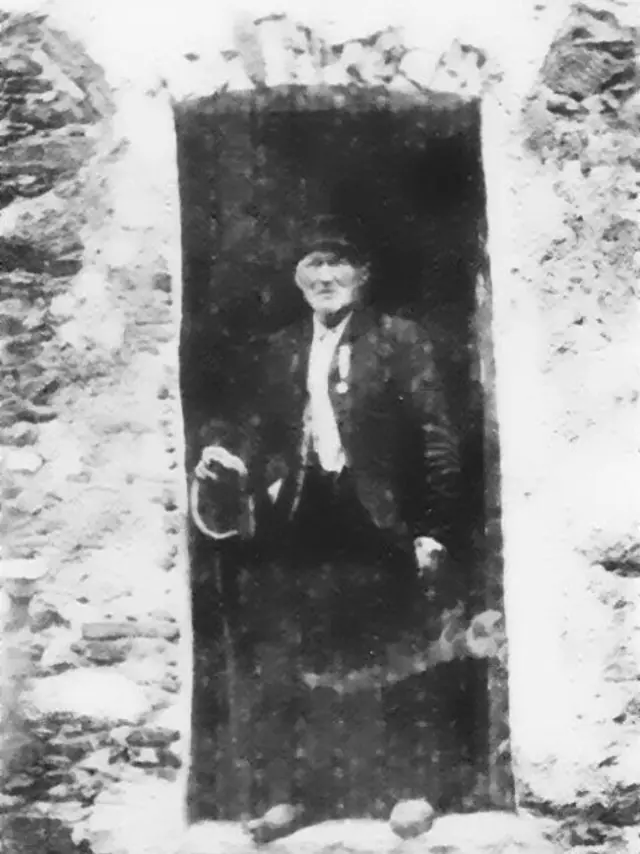
In the Albères massif, between France and Spain, few names still resonate as strongly as that of Manel, whose real name was Emmanuel Coste. Born in Saint-Martin de l’Albère in 1822, he spent his entire life there as a shepherd before passing away in 1911 at the age of 90.

His story goes far beyond that of a simple mountain inhabitant. It embodies a deep, almost inseparable connection between a man and his land, built on respect, hard work, and transmission.

A self-taught shepherd shaped by the mountains

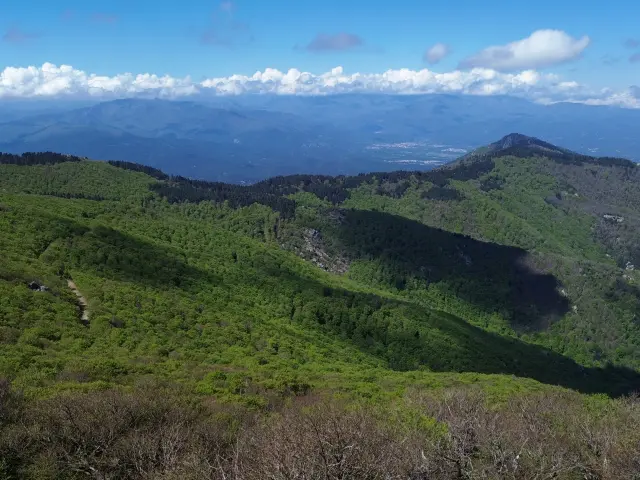
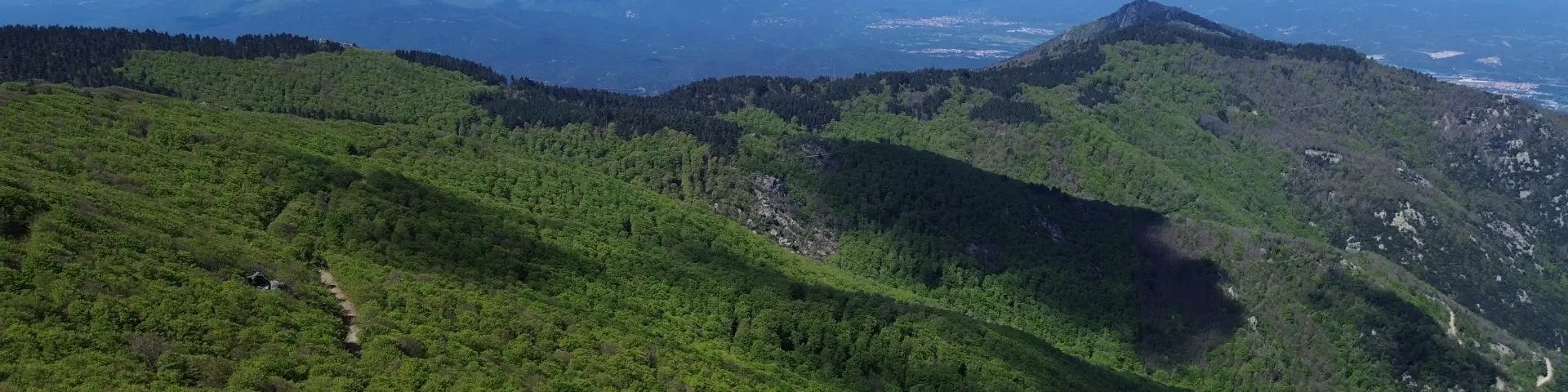
Manel never went to school and could neither read nor write. Yet the mountains became his greatest teacher. From childhood, he roamed the ridges of the Albères, tending flocks around emblematic sites such as the Néoulous peak and the Ouillat pass.

Over the years, he developed an intimate understanding of his environment. He observed the cycles of nature, the behavior of animals, and the changing seasons that transformed the landscapes. This constant immersion gave him a rare, almost artistic sensitivity toward the mountains.
The man who wanted to enhance nature

What made Manel truly unique was his desire not only to live in nature, but to enhance it without ever damaging it. Using his own savings, he created developments that have now become emblematic parts of the local heritage.

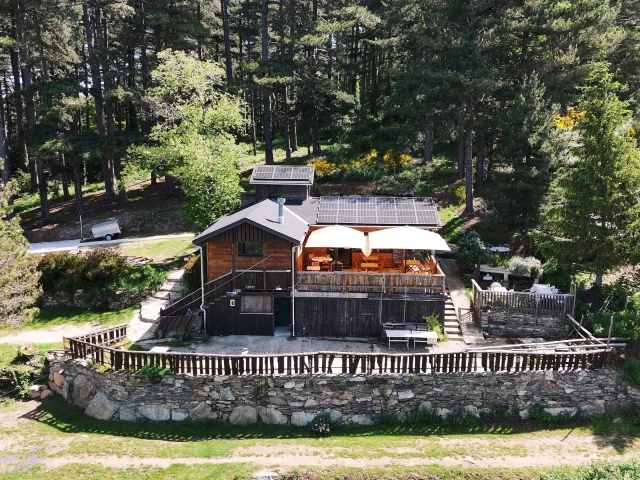
At the fountain of the Forcat pass and later at the Ouillat fountain, he transformed entire spaces around natural springs. He captured the water, built stone basins, installed tables and seating areas, and personally transported materials from the surrounding mountains. Each place became a space for rest, contemplation, and conviviality in the heart of the mountains.

The Ouillat fountain, nicknamed the “Queen of Springs,” remains one of his most remarkable achievements and a symbol of his deep attachment to the region.

Late but genuine recognition

Long regarded as a somewhat eccentric shepherd, Manel eventually gained recognition for his commitment and work. At the end of the 19th century, he received the Gold Medal of the Old Servants, an award honoring his exceptional dedication.

Scientific and local societies also took an interest in his creations, aware of the heritage value of his work in the mountains.

A legacy still alive in the Albères

When Manel died in 1911, a snowstorm covered the mountains. Many said the Albères themselves seemed to be paying tribute to him.

Even today, his mark remains visible throughout the landscape. The fountains he built, the trees he planted, and the places he transformed continue to bear witness to his life. For both locals and hikers, Manel remains a living figure of the massif.

A timeless symbol of the bond between man and nature

Manel’s story goes far beyond that of a 19th-century shepherd. It tells of the ability of a humble man to transform his environment with respect, passion, and intuitive wisdom.

In a world where nature is more central than ever to contemporary issues, his legacy still resonates: that of a man who chose to serve the mountains rather than fight against them.